
By Adewole Kehinde
When the Nigeria Mobile Police (MOPOL) was established in 1962, it was never meant to be a ceremonial arm of the Force nor a personal guard service for the privileged.
It was established as an elite paramilitary strike force, a rapid-response unit designed to confront the nation’s most challenging internal security threats.
For decades, MOPOL earned its reputation as a disciplined, highly trained anti-riot and tactical force, deployed nationwide in squadrons to manage civil disturbances, riots, violent uprisings, and high-risk policing operations. Its presence alone was a deterrent, and its interventions were swift, coordinated, and effective.
However, the years brought challenges that slowly diverted the unit from its core identity. Despite being thoroughly equipped and trained for specialised roles, including counter-terrorism, anti-robbery operations, and election security, MOPOL became heavily overstretched.
The most significant factor was the excessive deployment of personnel for VIP protection, assigning officers to guard individuals rather than protecting communities.
There is no doubt that this diversion of manpower diluted the strength and purpose of the squadron system. It compromised the Mobile Police’s primary mandate and weakened the nation’s capacity for high-risk internal security response.
This growing concern ultimately prompted the recent presidential directive ordering the withdrawal of many MOPOL officers from VIP escorts and returning them to core operational duties.
This reform is not only necessary, but it is also overdue.
With 52 squadrons spread across the country, MOPOL was designed to function as a formidable tactical force, positioned in well-built barracks with training grounds, operational tools, and a state of constant readiness. To reclaim this vision, these squadrons must be properly restructured, relocated back to secure bases, and refocused on their statutory responsibilities.
Instead of being scattered in private residences and escort convoys, they should operate as a standby national force, prepared at any moment to quell internal threats, intervene during crises, and support broader policing strategies.
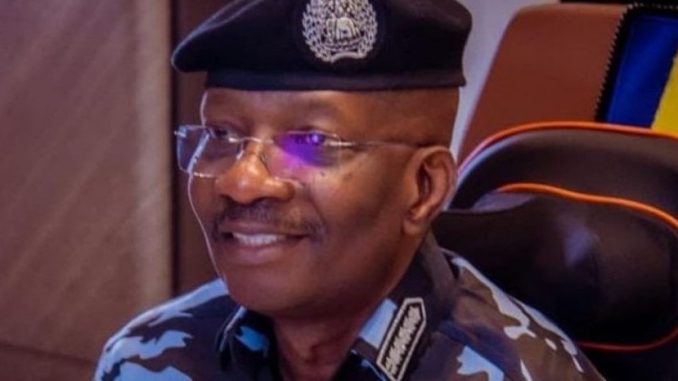
Under the speedy and deliberate reform agenda of the Inspector General of Police, IGP Kayode Egbetokun, the Mobile Police is already experiencing a revival. The plan to restore the unit to its founding purpose is clear: return MOPOL to its core roles of
Counter-Terrorism and Anti-Crime Operations
Riot Control and Civil Disturbance Management
Protection and Peacekeeping in high-risk environments
This return to fundamentals is exactly what Nigeria needs.
In conclusion, the Nigeria Mobile Police remains one of the nation’s most vital tactical assets for internal security. To play this role effectively, MOPOL must continue undergoing structured reforms, retraining, and repositioning.
Bringing it back to its original mission, riot control, crisis response, and high-risk operations, is not just beneficial; it is essential for a safer and more secure Nigeria.
Adewole Kehinde is a public affairs analyst based in Abuja. Email: kennyadewole@gmail.com X: kennyadewole 08166240846