
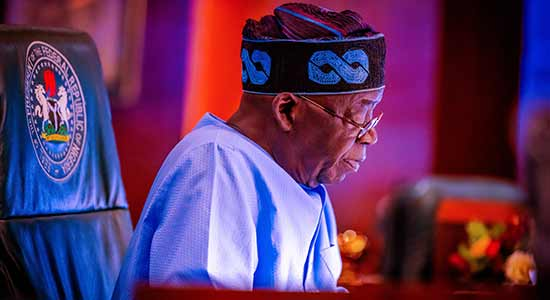
Since Bola Tinubu took office on May 29, 2023, Nigeria has spiraled into a cesspool of bigotry, be it ethnic, religious or regional hatred that very much now threatens to unravel the nation’s fragile unity. This regimes’s policies, silence and blatant favoritism have deepened divisions and also betrayed Nigeria’s long struggle to overcome its historical fault lines. From election violence to nepotistic appointments, Tinubu’s regime has emboldened prejudice, making bigotry a defining feature of his tenure.
Nigeria’s history is scarred by division. The 1914 amalgamation forcibly merged diverse ethnic groups, sowing seeds of mistrust that persist today. The 1966 coups, fueled by ethnic rivalries, led to the pogroms against Igbos in the North, culminating in the Biafran War (1967–1970), which killed millions. Post-war policies like the “no victor, no vanquished” mantra aimed to heal wounds, but marginalization of Igbos persisted, evident in limited federal appointments and infrastructure neglect in the Southeast. Religious tensions also simmered, with riots like the 1987 Kafanchan crisis pitting Muslims against Christians.
The Fourth Republic (1999–present) saw progress, with power-sharing norms like Christian-Muslim ticket balancing, but flare-ups such as the 2011 post-election violence killing over 800 people showed bigotry’s resilience.
Under previous administrations, bigotry was often managed, if imperfectly. Obasanjo’s government (1999–2007) pushed national conferences to address ethnic grievances, while Jonathan’s tenure (2010–2015) faced criticism for favoring South-South interests but avoided overt tribalism. Buhari’s regime (2015–2023) was accused of Northern favoritism, yet it maintained religious ticket balance. Tinubu’s presidency, however, marks a reckless departure, amplifying divisions through actions that echo the worst of Nigeria’s past while introducing new wounds. Tinubu’s regime has not just failed to curb bigotry, it has actively fueled it.
The 2023 elections were a low point, reminiscent of the ethnic purges of the 1960s. In Lagos, Igbo voters faced violent intimidation, with thugs allegedly tied to Tinubu’s political machine attacking polling units and shouting slurs like “go back to Onitsha.” Videos on various social media platforms showed voters fleeing for safety, evoking memories of pre-Biafra pogroms. Tinubu’s silence as a candidate and later president signaled tacit approval, undermining democratic trust and reviving Igbo marginalization fears. This wasn’t just electoral malpractice; it was a tribal assault on Nigeria’s pluralism.
Tinubu’s Muslim-Muslim ticket with Kashim Shettima shattered Nigeria’s unwritten rule of religious balance, a norm upheld since 1999 to manage Christian-Muslim tensions. Historically, such balance prevented crises like the 1980s Sharia riots. By prioritizing political expediency, Tinubu alienated Christians, who make up nearly half the population, fueling fears of religious domination. His flippant defense of “competence over faith” ignored the symbolic weight of representation, deepening distrust in a way not seen since the 1993 Abiola annulment crisis, which sparked religious unrest.
Furthermore, Tinubu’s appointments are a masterclass in ethnic favoritism, rivaling the Northern hegemony under Buhari. Key roles in finance, economy, security and aviation overwhelmingly favour Yoruba allies. Under this regime, it appears and feels like bigotry is baked into state policy. The Southeast, historically shortchanged since Biafra, is again sidelined, with none of their person represented in top security posts as of 2025. This mirrors the post-civil war era, where Igbos were excluded from power, fostering resentment. Tinubu’s nepotism isn’t just unfair, it’s a recipe for regional rebellion.