
ABUJA — The Coalition of Indigenous Middle Belt Organisations (CIMBO) has declared that the restructuring of Nigeria is no longer a political slogan but an urgent national imperative.
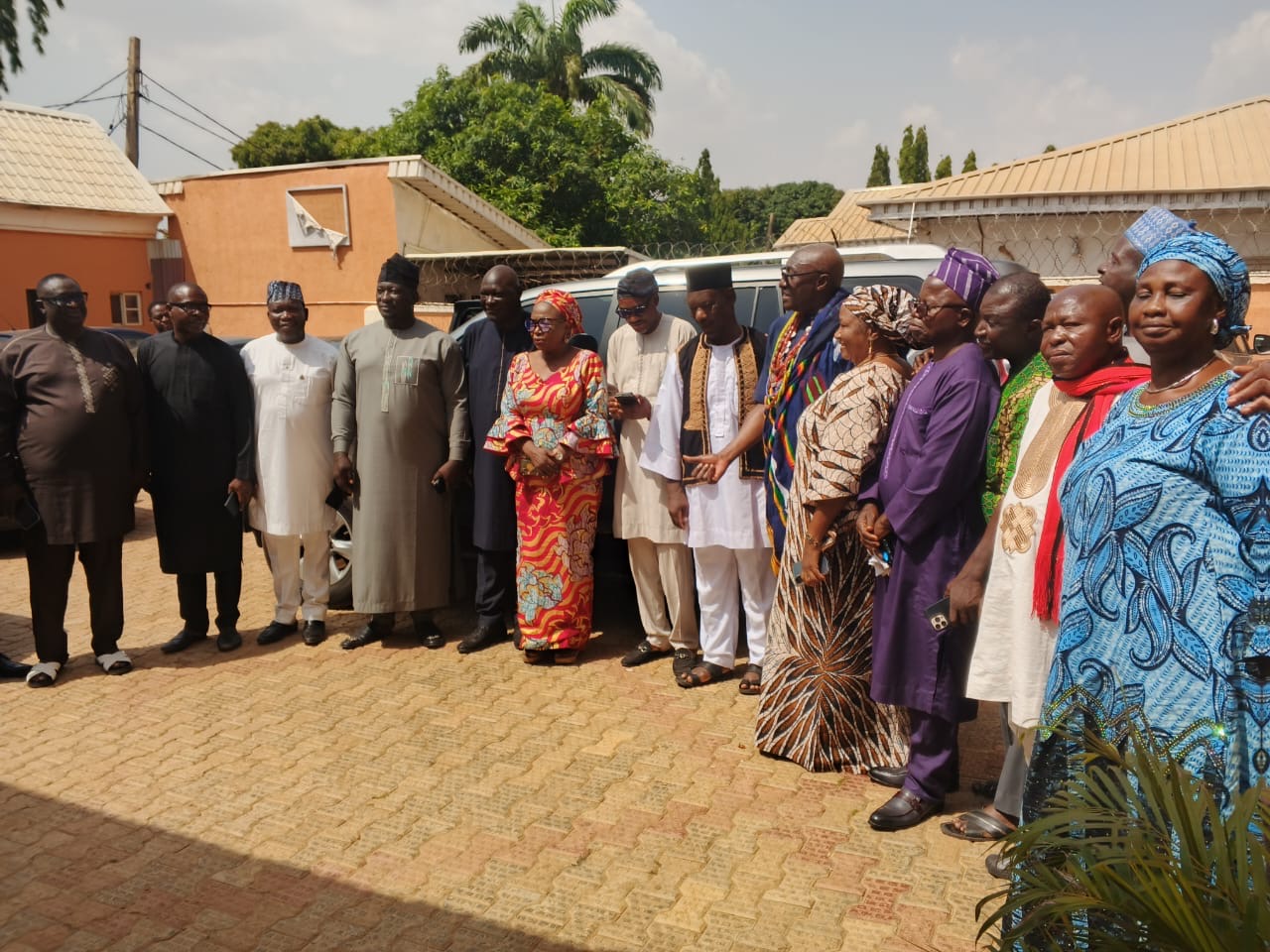
The position was adopted at an emergency meeting held Saturday at Masai Mara Resorts, Abuja, which brought together leaders from across the Middle Belt. The gathering also produced a new interim leadership following the death of National Chairman, Hon. Timothy B. Gandu.
In a communique signed by Prof. Emmanuel Ejeikwu Oloja and Dr. Billy Ishaya Laar, CIMBO said it would sharpen its focus on what it termed the “structural challenges of the Nigerian federation.” The resolution followed briefings from the Interim Secretary General on engagements with the Middle Belt Elders Council, Citizens for Restructured Nigeria (TRG), and burial arrangements for the late chairman.
Describing itself as non-governmental, non-sectarian, non-ethnic, non-religious and non-political, the coalition said its push for restructuring is rooted in the pursuit of justice, equity and sustainable peace.
CIMBO endorsed TRG’s proposed governance model, built on four pillars: autonomous regions, meritocracy, inclusivity and a cooperative system.
“True restructuring goes beyond the devolution of power,” the coalition stated. “It is about strengthening Nigeria through shared responsibility.” It argued that federated regions should have the authority to create and administer their own states and local governments in line with cooperative federalism and locally driven development.
National security was a key concern. The group said a restructured Nigeria offers the only pathway to a balanced, historically grounded and structurally sound security architecture.
To advance the agenda, CIMBO called for an urgent technical policy roundtable involving traditional rulers and other stakeholders to deliberate on restructuring and homeland security. The coalition’s Research, Strategy and Mobilisation Committee was tasked with convening the meeting as soon as possible.
On the economy, members stressed the need for regional economic blueprints, though no timelines or specifics were announced.
The meeting also commended Plateau State Governor, Barr. Caleb Mutfwang, for his efforts to unite socio-cultural organisations in the Middle Belt Region.
In operational resolutions, CIMBO mandated a joint committee of its Research, Strategy and Mobilisation arm and Legal Team to begin drafting a constitution for the coalition.
The most significant leadership change came with the unanimous election of Prof. Ejeikwu Emmanuel Oloja, formerly Interim Secretary General, as Interim National Chairman. The motion was moved by Da Gyang Dudu Dalyop and seconded by Prof. Auta Kato Gwong.
Dr. Billy Ishaya Laar was elected unopposed as Secretary, while Senior Advocate of Nigeria, Barr. Pius Akubo, was named Head of the Legal Team. Other interim officers will retain their positions until the constitution is finalised and formal elections are held.
CIMBO said it would remain a vocal force in the national conversation on restructuring, with a clear roadmap toward “a just, equitable and sustainable political and constitutional order.”
The meeting was attended by Gov. Caleb Mutfwang of Plateau State, represented by Hon. Dan Kwada, Special Adviser on Middle Belt Affairs; AVM Monday Riku Morgan (Rtd), National Leader of the Benue Rebirth Movement; Col. C.D. Waziri of TRG; Dr. Mike Omeri, former Director General of the National Orientation Agency and senatorial aspirant for Nasarawa South; Prof. Yakubu Aboki Ochefu; and Hon. Amb. Jacob Ngbako, representing the President of PIDAN, among other Middle Belt leaders.